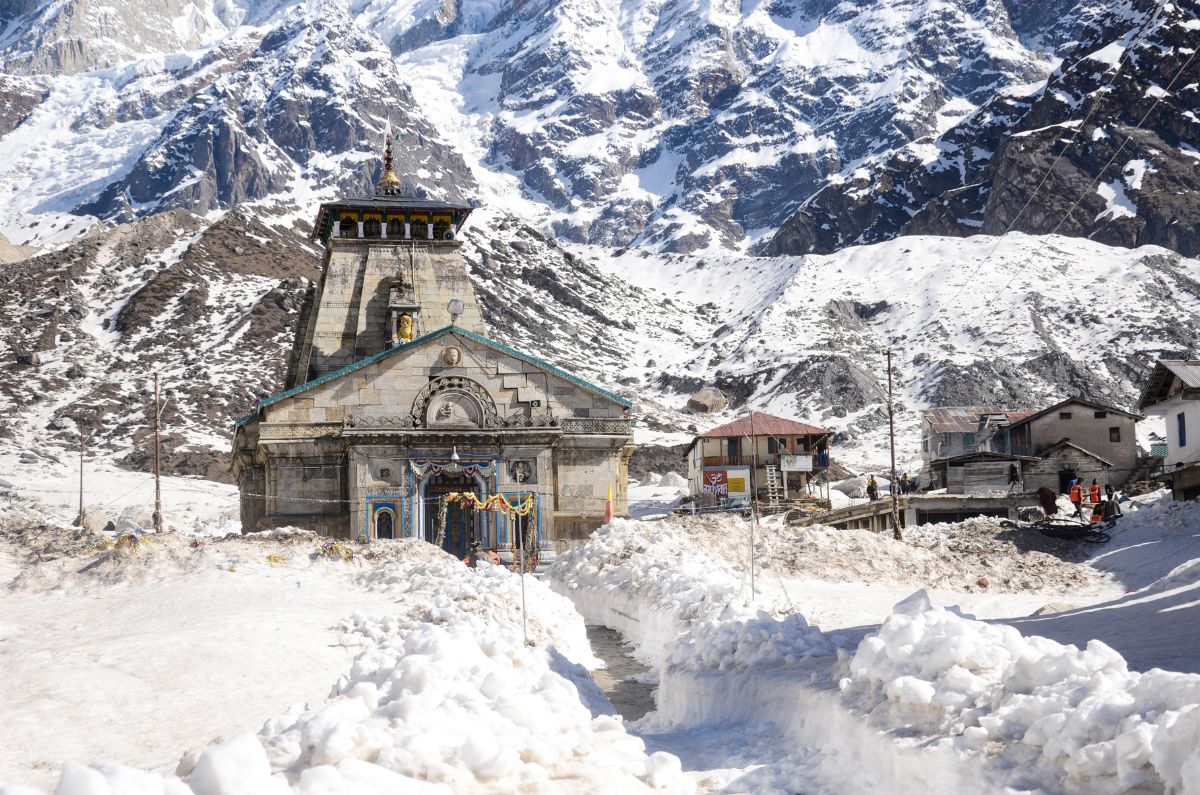
Both run December through March and both end on a snow summit. Here's the honest difference between Kedarkantha and Brahmatal — crowds, base village, and the view you're actually paying for.
In this article
- Where each one starts
- Crowds: this is the real difference, not difficulty
- What you're actually climbing
- The view you're actually paying for
- Campsites and snow timing
- So which should you do first?
- Frequently asked questions
- Is Kedarkantha or Brahmatal harder?
- Which trek is less crowded, Kedarkantha or Brahmatal?
- Can a complete beginner do either of these treks?
- Which has the better view, Kedarkantha or Brahmatal?
- What's the best time to do Kedarkantha or Brahmatal?
- Plan your winter trek with us
Kedarkantha vs Brahmatal: Which Winter Snow Trek Should You Pick First
Winter trekking in the Garhwal Himalayas really comes down to two names for most first-timers: Kedarkantha and Brahmatal. Both run December through March, both end on a summit with a genuine snow payoff, and both get marketed as "perfect for beginners" — which doesn't actually help you choose. We run both, and the honest difference isn't in difficulty so much as in crowd, base village, and exactly what kind of winter view you want standing in front of you.
Where each one starts
Kedarkantha begins from Sankri, a village that's become something of a winter-trekking hub in its own right, with the infrastructure that comes from being the most popular route in the region. Brahmatal starts from Lohajung, a quieter base with less built-up trekker traffic. Neither village is hard to reach from Dehradun, but Sankri's familiarity means smoother logistics if it's your first high-altitude trek; Lohajung's relative quiet is part of Brahmatal's appeal if crowds are what you're trying to avoid.
Crowds: this is the real difference, not difficulty
Kedarkantha's popularity is a double-edged sword. Its easy access and genuinely gentle grade make it the default recommendation, which means peak-season trails and campsites can feel busy — you're rarely trekking alone. Brahmatal is newer to the mainstream circuit and draws noticeably fewer trekkers for a comparable trail and difficulty, so if having the snow mostly to yourselves matters more than ticking off the best-known name, Brahmatal wins this one clearly.
What you're actually climbing
Both are graded easy-to-moderate and genuinely suit a fit first-timer — the climbing itself isn't the hard part on either route. Kedarkantha tops out around 12,500 ft, with a pre-dawn summit push that's steep in the final stretch but short. Brahmatal sits a little lower, around 12,250 ft, with its own summit-day climb to a ridge that opens onto a wider panorama. The gradient curve is comparable; neither route demands technical skill, crampons, or prior trekking experience, though both reward basic cardio prep given the cold and altitude combined.
The view you're actually paying for
This is where the two genuinely diverge. Kedarkantha's summit delivers a panorama of the Swargarohini and Bandarpoonch ranges — big, recognisable Garhwal peaks. Brahmatal's payoff is different in character: the frozen Brahmatal Lake itself, ringed by views of Chaukhamba, Neelkanth, Kamet and Hathi Ghoda Parvat, with the lake-at-your-feet framing that Kedarkantha doesn't really offer. If a dramatic peak panorama is the point, lean Kedarkantha. If a frozen alpine lake as the actual centrepiece is more your thing, Brahmatal has the stronger case.
Campsites and snow timing
Both treks camp near water that's frozen solid in peak winter — Kedarkantha's Juda Ka Talab, a lake camp inside pine forest, and Brahmatal's own lakeside camp just below the summit ridge. Snow depth and timing track closely: both routes see meaningful snow from December through March, with Brahmatal's base village seeing snow underfoot from Lohajung by late December in a good year, slightly earlier than Kedarkantha typically sees at Sankri.
So which should you do first?
If this is genuinely your first winter trek and you want the smoothest possible logistics, familiar infrastructure, and a big-name Garhwal peak view, start with Kedarkantha — our Kedarkantha winter trek is built around exactly that first-timer pacing. If you've already done one winter trek, or crowds specifically bother you more than most people, Brahmatal is the better second step — or even first, if you're willing to trade a bit of infrastructure familiarity for a quieter trail. Check our Brahmatal trek for dates. Either way, both sit comfortably within our broader roundup of beginner-friendly Himalayan treks if you want the fuller comparison against non-winter options too.
Frequently asked questions
Is Kedarkantha or Brahmatal harder?
Neither is meaningfully harder than the other — both are graded easy-to-moderate with comparable altitude gain. The real difference is crowd levels and the specific summit view, not difficulty.
Which trek is less crowded, Kedarkantha or Brahmatal?
Brahmatal, by a clear margin. Kedarkantha's popularity as the go-to beginner winter trek means busier trails and campsites in peak season.
Can a complete beginner do either of these treks?
Yes — both are commonly done as a first winter trek. The preparation that matters most is cold-weather gear and basic cardio fitness, not prior trekking experience.
Which has the better view, Kedarkantha or Brahmatal?
Different, not better or worse: Kedarkantha gives you a big-peak panorama (Swargarohini, Bandarpoonch); Brahmatal gives you a frozen lake as the centrepiece, framed by Chaukhamba, Neelkanth and Kamet.
What's the best time to do Kedarkantha or Brahmatal?
Both run December through March for the full snow experience, with late December through February typically bringing the deepest, most reliable snow cover on each route.
Plan your winter trek with us
We run both as guided winter treks with pacing built around each route's actual difficulty and cold, not a generic itinerary. Explore the Kedarkantha winter trek, the Brahmatal trek, or see everything we run on our trips page.
Wondrr Team
Travel Curators