Rohtang Pass needs a permit with a strict daily vehicle cap; the Atal Tunnel needs a different, usually-free e-permit. Here's the honest decision on which route your Manali trip actually needs.
In this article
- Getting to Rohtang: the permit reality
- Rohtang vs the Atal Tunnel: do you actually need the pass?
- What the drive is actually like
- Frequently asked questions
- Do I need a permit for the Atal Tunnel?
- How far in advance should I book a Rohtang permit?
- Is Rohtang Pass closed on any particular day?
- Which should I choose if I just want to reach Spiti or Leh?
- Is the permit fee the same for all vehicles?
- Plan your Manali trip with us
Rohtang Pass from Manali: Permit Reality, How to Reach and Rohtang vs the Atal Tunnel
Rohtang Pass used to be the only way north out of Manali toward Lahaul, Spiti and Leh. Since the Atal Tunnel opened, that's no longer true — and a lot of travellers now book a Rohtang permit without realising there's a faster alternative that gets you the same direction with a much simpler permit process. Here's the honest decision framework, plus what each route's paperwork actually involves.
Getting to Rohtang: the permit reality
Rohtang Pass sits roughly 51 km from Manali via Gulaba and Marhi, and access is controlled by a National Green Tribunal-mandated daily vehicle cap — roughly 1,200 tourist vehicles a day, split between petrol and diesel vehicles. Permits are issued online through the official government portal and typically open a few days ahead of your travel date; because of the cap, popular dates in peak season can sell out, so apply a few days in advance rather than assuming you can book the morning of. The pass is also closed to tourist vehicles one day a week for maintenance (commonly Tuesdays), on top of the full seasonal winter closure when snow makes the road impassable — both worth checking before you build a fixed-date plan around it.
Rohtang vs the Atal Tunnel: do you actually need the pass?
The Atal Tunnel, at just over 9 km, cuts under the Rohtang range entirely, connecting Manali to Lahaul's Sissu side in a fraction of the time — but it isn't quite the permit-free shortcut it's often described as. As of 2026, vehicles using the tunnel to enter Lahaul and Spiti (including the Chandratal circuit) need an e-Aagman e-permit, generated online in advance; it's usually free beyond a small congestion fee at the tunnel gates, and the process is simpler and less capacity-constrained than the Rohtang permit, but it's still a step you need to complete before you arrive, since there's no mobile network at the checkpost to do it on the spot. If your goal is simply to reach Lahaul, Spiti, or the Leh road, the tunnel route is still faster and easier than Rohtang Pass itself. The case for actually doing Rohtang Pass is different: it's a scenic high-altitude experience in its own right, with views and a sense of "the pass" that the tunnel — by design, bypassing the mountain — doesn't offer. If you're on a longer Himalayan circuit toward Leh, a common approach is to take the tunnel on the way out, when you want to move efficiently, and do Rohtang Pass itself on the return leg, when you're better acclimatised and have more schedule flexibility to deal with permit timing or closures.
What the drive is actually like
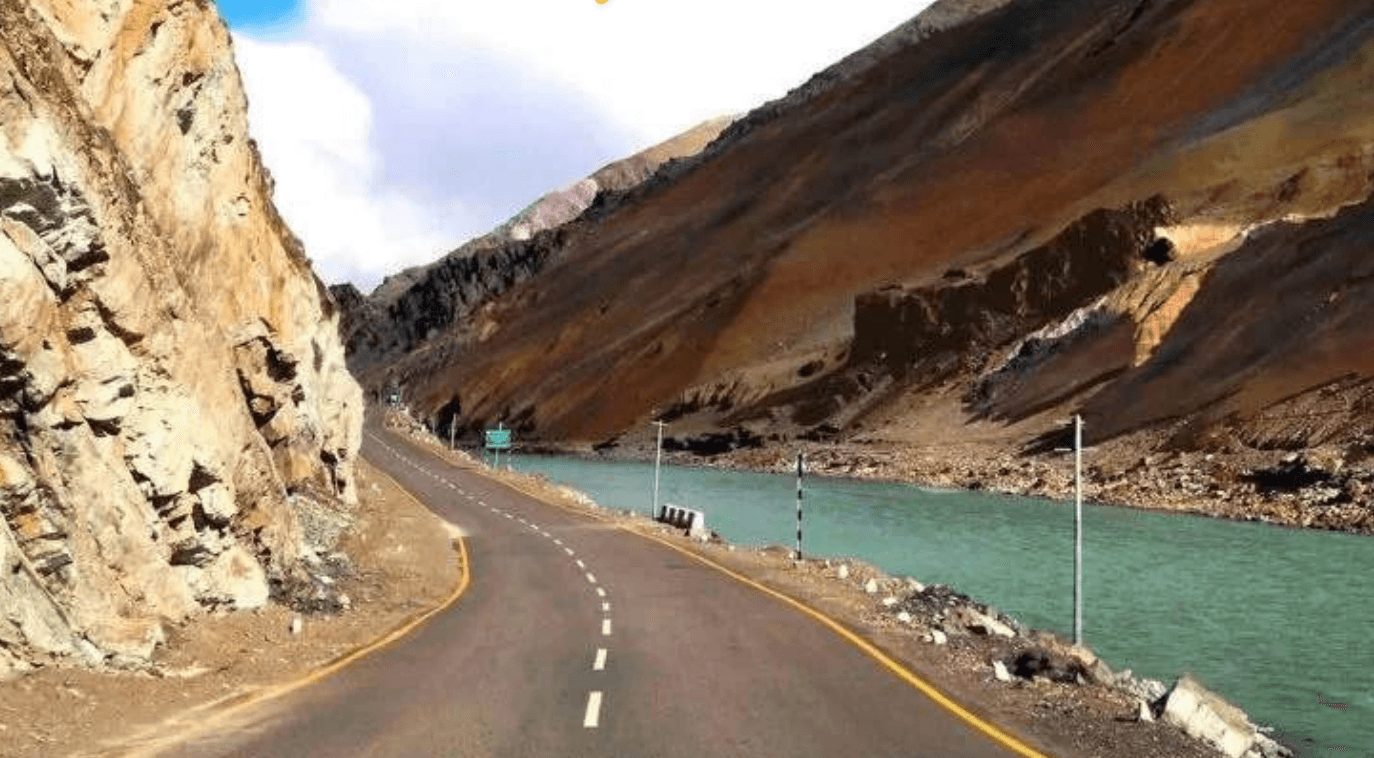
The route via Gulaba and Marhi climbs steadily and is scenic in its own right even before reaching the pass itself, with snow-line views starting well below the top in most months. Traffic bunches badly on peak-season weekends given the vehicle cap concentrates a fixed number of cars into a single road, so an early start meaningfully improves your experience — arriving late morning on a busy day can mean real queuing. Road conditions above Marhi can be rough and are weather-dependent, so this isn't a route to rush regardless of which day you're permitted for.
Frequently asked questions
Do I need a permit for the Atal Tunnel?
If you're heading into Lahaul or Spiti (including Chandratal) via the tunnel, yes — a free-or-near-free e-Aagman e-permit, generated online in advance. It's simpler than the Rohtang permit but not entirely paperwork-free.
How far in advance should I book a Rohtang permit?
A few days ahead, given the daily vehicle cap. Peak-season dates can fill up, so don't leave it to the last moment.
Is Rohtang Pass closed on any particular day?
Yes, it's typically closed to tourist vehicles one day a week for maintenance, commonly Tuesdays — confirm the current closure day when you book, since it can shift.
Which should I choose if I just want to reach Spiti or Leh?
The Atal Tunnel route — it's faster and its e-Aagman permit is simpler and less capacity-constrained than a Rohtang permit. Save Rohtang Pass itself for when the mountain-pass experience is the point, not just the route.
Is the permit fee the same for all vehicles?
No, fees vary by vehicle type and are subject to change — check current rates on the official Rohtang and e-Aagman portals rather than relying on a fixed figure from any blog.
Plan your Manali trip with us
We factor Rohtang and Atal Tunnel logistics into our Manali itineraries based on what your trip actually needs. Check out our Manali to Jispa to Kasol road trip or the Manali, Sissu and Kasol retreat, or see everything we run on our trips page.
Wondrr Team
Travel Curators