A straight-talking guide to Rishikesh's rafting stretches — how to match Brahmapuri, Shivpuri or Marine Drive to your nerve and fitness, plus the season logic nobody explains at the booking desk.
In this article
- River rafting in Rishikesh, without the sales pitch
- The stretches, from mellow to serious
- Brahmapuri (about 9 km) — the easy one
- Shivpuri (about 16 km) — the all-rounder
- Marine Drive (about 25 km) — stepping up
- Kaudiyala (about 36 km) — the long haul
- How to actually choose your stretch
- The season logic no one explains
- Safety, honestly
- Frequently asked questions
- Do I need to know how to swim?
- Which stretch is best for a first-timer?
- How much does rafting in Rishikesh cost?
- Is monsoon rafting possible?
- What should I wear and carry?
- Can I combine rafting with other things in Rishikesh?
- The short version
River rafting in Rishikesh, without the sales pitch
Almost everyone who comes to Rishikesh ends up on the Ganga at some point, paddle in hand, slightly nervous, grinning anyway. It is the town's signature experience for good reason: cold, clean Himalayan water, big open-sky rapids, and stretches gentle enough for a ten-year-old or punchy enough to rattle a confident swimmer. The catch is that "rafting in Rishikesh" is not one thing. It is at least four different runs of very different character, and the desk that sells you a ticket rarely explains which one actually suits you. This guide fixes that.
We run trips into Rishikesh through the year, and the single most common regret we hear is not "that was too scary" — it is "I wish someone had told me the difference before I booked." So here is the difference.
The stretches, from mellow to serious
Rafting runs are described by where you put in, and each start point sits further upriver, which means a longer float and bigger water. Grades run from I (barely a ripple) to VI (don't); Rishikesh sits comfortably in the II to IV band.
Brahmapuri (about 9 km) — the easy one
This is the shortest, gentlest run, roughly an hour to ninety minutes on Grade I–II rapids. If you have never rafted, are bringing children, or are quietly terrified but don't want to say so, this is your stretch. You still get the cold-water thrill, a couple of small rapids and usually a swim stop in a calm pool, without any moment that will genuinely frighten you.
Shivpuri (about 16 km) — the all-rounder
Shivpuri is the workhorse and, for most first-timers who want a real ride, the sweet spot. It carries a mix of Grade II and III rapids over a couple of hours, with named drops big enough to feel like something happened, plus the cliff-jump stop most people remember more than the rafting. If you only do one run and you are reasonably fit, do this one.
Marine Drive (about 25 km) — stepping up
Longer, colder and punchier, with a run of Grade III rapids and a couple that flirt with IV — Roller Coaster, Golf Course, Club House, Double Trouble. This is not a good first raft. It rewards people who have paddled before or who are genuinely fit and comfortable in moving water, and it asks for real commitment on the big drops.
Kaudiyala (about 36 km) — the long haul
The full upriver run, the longest and most demanding, with sustained Grade IV water including the famous Wall and Terminator rapids. It is a half-day on the river and squarely for experienced rafters. If you are asking whether you are ready for Kaudiyala, you probably want Shivpuri first.
How to actually choose your stretch
Forget the marketing labels. Ask two honest questions. First, how do you feel about being thrown out of the raft into cold, fast water? Everyone flips or swims occasionally; on the bigger stretches it is more likely and the swim is longer. If that thought makes you tense, stay on Brahmapuri or Shivpuri, where a swim is short and the guides fish you out quickly. Second, how fit are you, really? Paddling hard through a rapid for thirty seconds while cold and adrenalised is more tiring than it looks, and the long stretches string several of those together. Match the run to your worst-case comfort, not your best-day bravado — you can always come back for the bigger one. For getting the timing and logistics right end to end, our Delhi to Rishikesh trip plans the road leg so you arrive with a full morning free for the river.
The season logic no one explains
This is the part that trips people up. Rafting in Rishikesh does not run year-round. The river is officially closed roughly from the start of July to mid-September, when the monsoon swells the Ganga to levels that are simply unsafe to raft. If a website is selling you a July raft in Rishikesh, be very cautious about who you are booking with.
The open season runs from about mid-September to the end of June, and within that there are two different experiences. Post-monsoon — late September into November — the river is fuller and faster, so the rapids hit harder; it is the most thrilling window and our own favourite, though the water is bracingly cold. Spring, roughly March to May, brings warmer air, more moderate flow and clear Himalayan light, which makes it the friendliest time for nervous first-timers. December to February is fully rafting-able too, but the water is genuinely cold and a wetsuit stops being optional. Conditions shift year to year with rainfall and river levels, so always check the current status before you travel rather than assuming a fixed calendar.
Safety, honestly
Rafting here is well-run and, with a reputable operator, low-risk — but it is not risk-free, and pretending otherwise helps no one. Wear the life jacket and helmet properly, actually listen to the pre-raft briefing (the "get down inside the raft" and "if you swim, feet downstream" instructions are the ones that matter), and be honest with your guide about whether you can swim. Skip it if you are pregnant, have a heart condition or recent injury, or have been drinking. Cliff jumping is optional — there is no shame in staying in the raft. And choose your operator on safety record and equipment, not on the lowest price you saw advertised; this is one experience where the cheapest ticket is a false economy.
Frequently asked questions
Do I need to know how to swim?
It helps and it calms the nerves, but it is not mandatory on the easier stretches — the life jacket keeps you afloat and guides are trained to recover swimmers. Tell your guide honestly if you can't swim, and stick to Brahmapuri or Shivpuri.
Which stretch is best for a first-timer?
Shivpuri if you want a proper ride, Brahmapuri if you want it gentle. Marine Drive and Kaudiyala are for people who have rafted before or are very fit and comfortable in cold water.
How much does rafting in Rishikesh cost?
Prices vary by stretch, season and operator, generally rising with the length of the run. Rather than quote a figure that will be out of date, we would say: expect the longer stretches to cost more, book with a licensed operator, and be suspicious of prices that look too good to be true.
Is monsoon rafting possible?
No. The river is closed roughly July to mid-September for safety. Plan for the mid-September to June window instead.
What should I wear and carry?
Quick-dry clothes you don't mind soaking, secured footwear (river sandals or old trainers, not flip-flops), and a change of dry clothes for after. Leave phones and valuables on shore unless you have a properly waterproof way to carry them.
Can I combine rafting with other things in Rishikesh?
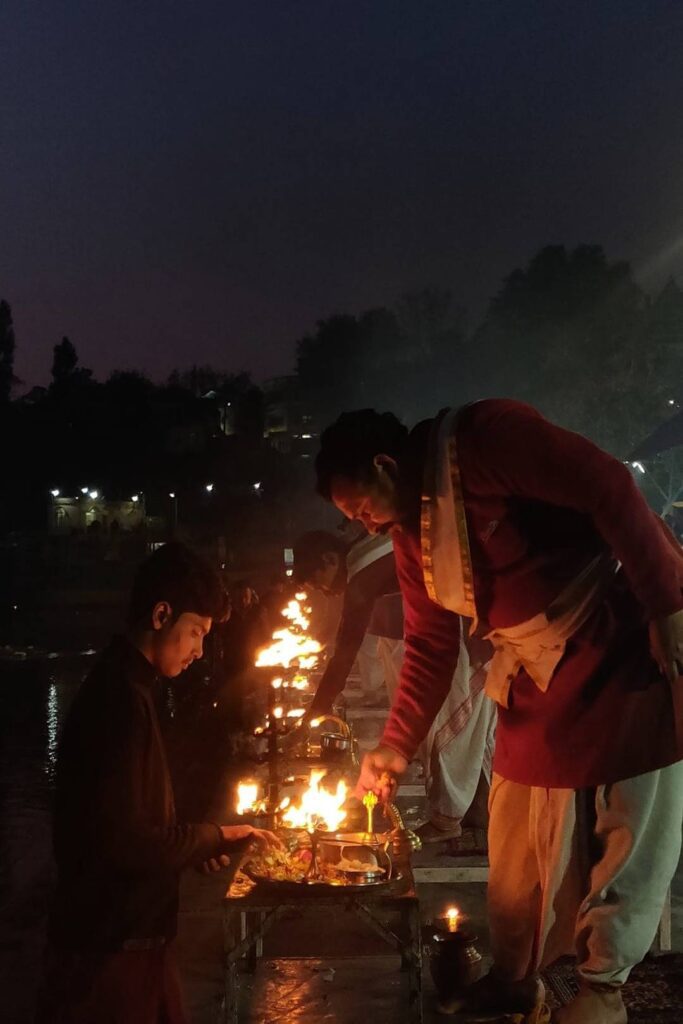
Easily. A morning raft pairs well with the evening Ganga aarti, a Kunjapuri sunrise, or a bungee day. Browse our full range of trips to build a longer Rishikesh weekend, or come straight for the water with our Rishikesh rafting trip.
The short version
Pick Brahmapuri to keep it gentle, Shivpuri for the classic first-timer thrill, Marine Drive or Kaudiyala only if you have paddled before. Come between mid-September and June, lean towards post-monsoon for big water or spring for a friendlier ride, and book on safety rather than price. Do that and the Ganga will give you exactly the day you came for.
Wondrr Team
Travel Curators