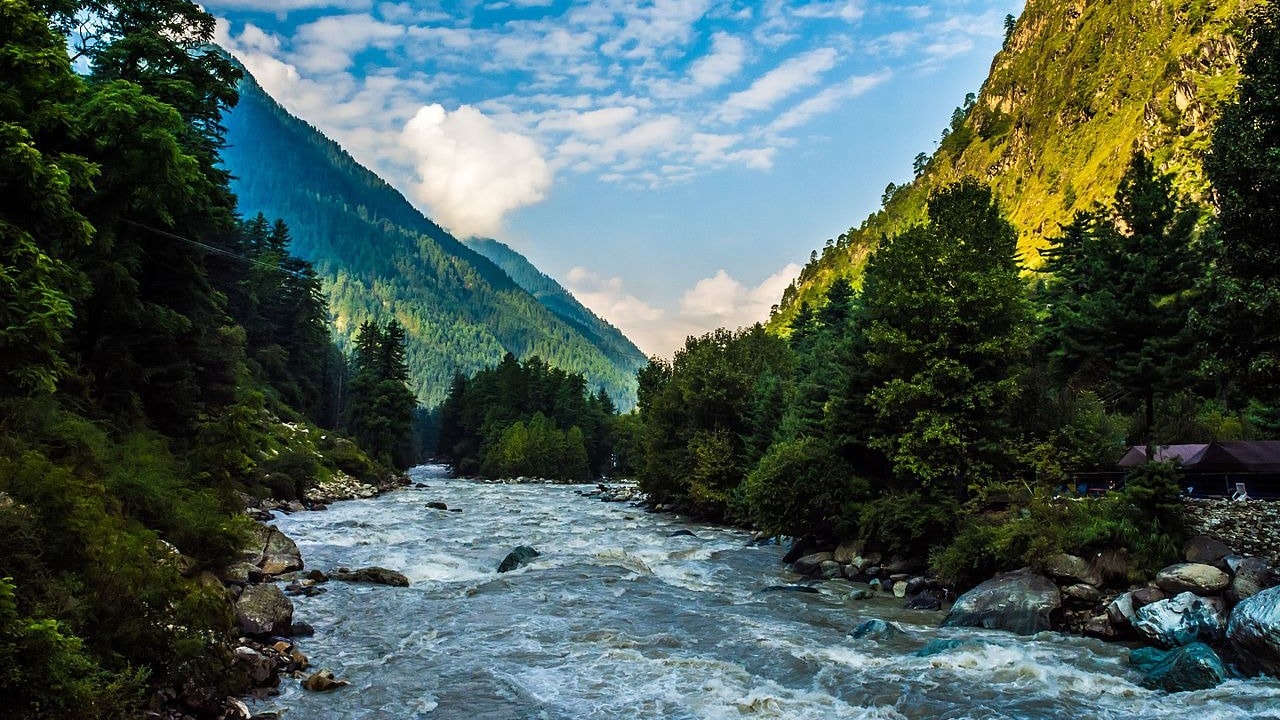
Manali and Kasol answer different questions, not the same one twice. Here's the honest decision framework — and why "both" is often the right answer if you have the days.
In this article
- These aren't two versions of the same trip
- Who should pick Manali
- Who should pick Kasol
- Budget, crowd and vibe at a glance
- So which one first?
- The trip that does both
- Frequently asked questions
- Is Manali or Kasol better for a first Himalayan trip?
- Is Kasol cheaper than Manali?
- Should I visit Manali or Kasol first?
- Can I visit both Manali and Kasol on one trip?
- Which is less crowded, Manali or Kasol?
- Is Kasol good for families?
These aren't two versions of the same trip
Every "Manali vs Kasol" post treats this like a coin flip between similar options. It isn't. Manali is a proper hill town with infrastructure — organised sightseeing, a wide spread of hotels, snow excursions when the season and roads cooperate, and enough going on that a first-timer never runs out of things to do without effort. Kasol is a village in the Parvati Valley built around a much simpler idea: cheap food, easy trekking access, riverside cafés, and a slower pace that comes from having fewer formal attractions rather than more. Deciding between them is really deciding what kind of week you want, not which destination is "better."
Who should pick Manali
If this is your first trip to Himachal, if you're travelling with family or a mixed-age group, or if you want a trip where things are organised for you — taxis on tap, a clear sightseeing circuit, hotels across every budget band — Manali is the easier first move. It's also the better base if snow is part of the plan, since Solang Valley and, permit and season permitting, Rohtang Pass are both close by. The trade-off is crowd and cost: Manali gets genuinely busy on weekends and through peak season, and taxi-dependent sightseeing adds up faster than Kasol's walk-everywhere pace.
Who should pick Kasol
Kasol suits budget backpackers, people who want an easy trek within reach (Kheerganga is the classic add-on), and anyone who'd rather spend a week doing less, slowly, than cramming in sightseeing. Because most of what Kasol offers — Chalal, Tosh, the riverside — is reached on foot rather than by taxi, day-to-day costs run meaningfully lower, generally somewhere in the 20–30% cheaper range compared to a comparable Manali stay. The trade-off runs the other way from Manali: fewer formal attractions, a more limited hotel spread (mostly guesthouses and hostels rather than full-service resorts), and less to do if the village pace doesn't suit you after a day or two.
Budget, crowd and vibe at a glance
Manali costs more day to day because sightseeing is taxi-dependent and the hotel market skews toward full-service properties; it's also the more crowded of the two, especially on weekends and through Diwali-to-New Year. Kasol is cheaper because you walk to most things, and it feels calmer — not empty, but without Manali's weekend-tourist density. If avoiding crowds is a priority over having organised things to do, that alone should tip you toward Kasol.
So which one first?
There's no universally correct order, but here's how we'd actually decide it for a group: if you're arriving via Bhuntar airport, Kasol-then-Manali flows naturally with the geography. If you're coming in on an overnight bus to Manali, starting there and winding down in Kasol afterward works just as well — an active first half followed by a slower back half often reads better than the reverse. If you only have three to four days, pick one rather than splitting the trip thin between both; five or more days is where doing both actually makes sense, and it's the itinerary most first-timers end up wishing they'd planned instead of forcing a choice.
The trip that does both
If five-plus days puts "both" back on the table, that's exactly what our Manali–Jispa–Kasol route and the more direct Manali–Kasol trip are built around — you get Manali's organised first half and Kasol's slower wind-down without having to choose. For a deeper look at either destination alone, see our Manali itinerary guide or the Kasol and Parvati Valley guide.
Frequently asked questions
Is Manali or Kasol better for a first Himalayan trip?
Manali, generally, if you want organised sightseeing and a wide range of hotels without much planning effort. Kasol suits first-timers who specifically want a budget, slow-paced, trek-adjacent trip over a sightseeing-heavy one.
Is Kasol cheaper than Manali?
Yes, typically 20–30% cheaper day to day, mainly because most of what Kasol offers is reached on foot rather than by taxi, and its guesthouse-heavy hotel market runs lower than Manali's fuller range of properties.
Should I visit Manali or Kasol first?
Either works. If you're arriving via Bhuntar, Kasol-then-Manali follows the geography naturally; if you're on an overnight bus into Manali, starting there and winding down in Kasol afterward works just as well.
Can I visit both Manali and Kasol on one trip?
Yes, and with five or more days it's often the better plan than picking one — many first-timers end up wishing they'd done both rather than forcing a choice.
Which is less crowded, Manali or Kasol?
Kasol, generally. Manali sees heavier weekend and peak-season crowds; Kasol stays calmer year-round, though it's not empty during peak backpacker season either.
Is Kasol good for families?
Less so than Manali. Kasol's guesthouse-style accommodation and walk-everywhere pace suit backpackers and couples better than families wanting organised activities and full-service hotels.
Ready to plan? Explore our Manali–Jispa–Kasol route or the direct Manali–Kasol trip, or browse all our trips.
Wondrr Team
Travel Curators